Roof Repair After Wind Damage: Signs to Inspect
Wind damage rarely looks dramatic at first. Most roofs don’t fail like a movie scene, with shingles tearing off in one big moment. Instead, the early warning signs are often subtle: a lifted edge, granules in the gutter, a new wrinkle near a seam, or a small leak that appears days after the storm when conditions change. Those “small” problems matter because wind can move water entry points off the roof surface and into the system, where the damage becomes harder to see and more expensive to fix.
After a strong wind event, the right move is usually a focused roof inspection. A good inspection doesn’t just look for obvious missing pieces. It checks how the roof was fastened, where water can enter, whether flashings and terminations were compromised, and whether the roof is old enough or damaged widely enough that repair will keep recurring. Manufacturers and industry guidance consistently emphasize having a qualified contractor evaluate whether repair or full roof replacement makes more sense, especially when damage is widespread or the roof is aging.
Below are the signs worth inspecting, what they can mean, and how contractors typically think about repair versus Roof Replacement After Leak and related scenarios.
Start with the timeline: wind damage can show up later
One reason homeowners miss wind-related Roof Leak Repair needs is timing. Wind can create gaps or loosened components during the storm. The roof may still look “mostly fine” immediately afterward. Then rain, melting, or sustained wet conditions can expose the problem days later, sometimes as staining on ceilings or discoloration on exterior walls.
If you had gusts, flying debris, or partial lifting around roof edges, treat the storm as a trigger for inspection even if there’s no visible collapse. A roof that survived the initial impact may still have compromised layers underneath. Roof Repair, Emergency Roof Repair, and Roof Inspection decisions often hinge on what the contractor finds during a careful check, not just what the roof looks like right after the weather passes.
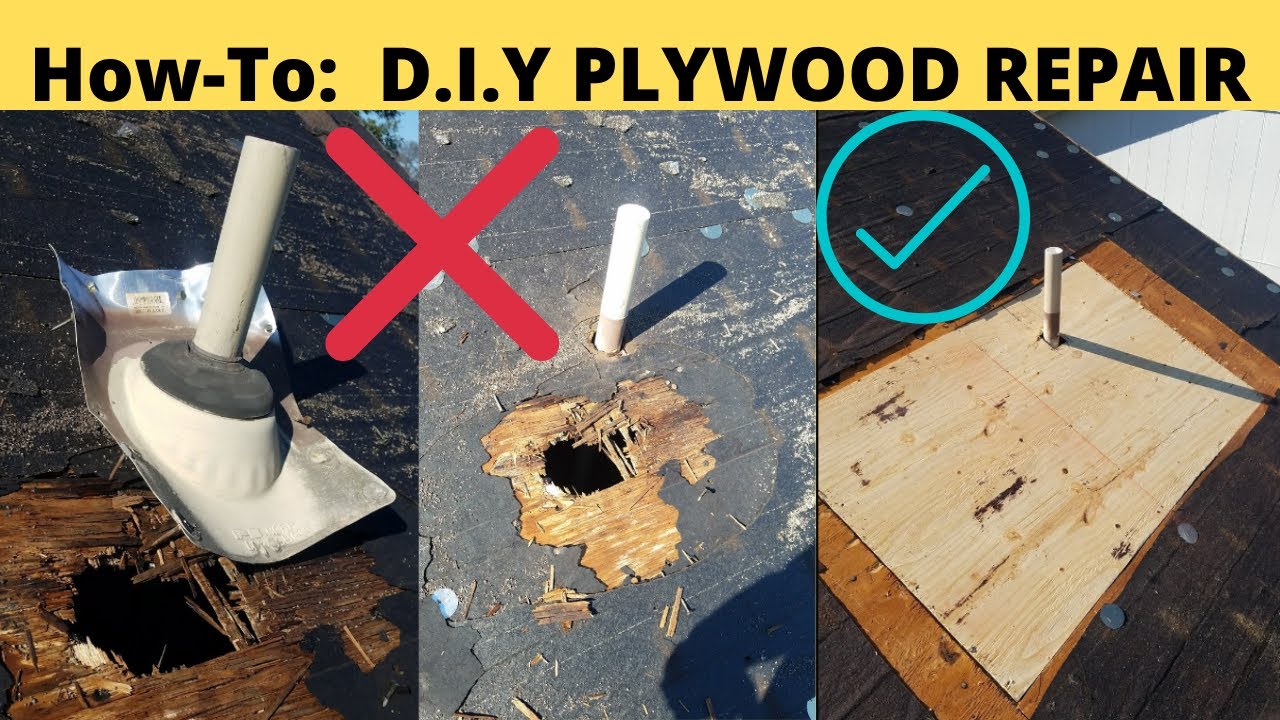
Exterior signs to inspect immediately after the storm
When you inspect from the ground and then (safely) observe from accessible areas, you’re looking for patterns that suggest wind has worked components loose, not just removed a few surface materials.
1) Missing shingles, lifted edges, or exposed underlayment
With Asphalt Shingle Roofing, missing shingles and exposed underlayment are the most obvious wind indicators. But wind also causes less dramatic issues, like shingle edges that are no longer fully seated. That can happen along ridges, near hips, around penetrations, and at perimeter sections where uplift forces concentrate.
If you see patches of exposed underlayment or you notice that shingles are curling or lifting at edges, that’s a direct flag for a Roof Inspection. These conditions can allow water entry during subsequent rain, turning a localized problem into a Roof Leak Repair situation sooner than most people expect.
2) Granules in gutters or at downspouts
Granules are a normal wear product for asphalt shingles, so you can’t treat every handful of granules as a catastrophe. But after a wind event, unusual amounts in gutters, downspouts, or near the foundation can indicate that shingles were disturbed or damaged.
This matters because granule loss can reduce surface protection, and lifted components can let water intrude at fastener points or seams. Contractors often use granule loss as supporting evidence when they’re evaluating the overall condition of an Asphalt Shingle Roof Replacement versus a targeted Roof Repair.
3) Damaged flashing, loose ridge caps, or compromised roof edges
Wind doesn’t only attack the flat plane of the roof. It’s especially aggressive at details: flashings, ridge caps, vent boots, counterflashing, and transitions. During typical Roof Replacement work, contractors remove old roofing, install new underlayment and roofing materials, and replace flashings and ridge caps as part of restoring the system. That’s a clue to how important those components are.
If you spot bent or missing flashing, gaps around chimneys or walls, or sections where ridge caps look separated or lifted, you should assume the water handling details may be compromised. Even if the main field looks “okay,” damaged flashing can create leaks that don’t appear until conditions force water to the entry point.
4) Debris paths and impact marks
After storms, debris often ends up in predictable ways. If you can trace where branches or objects landed, look closely at the surrounding shingles or membrane. Wind-driven debris can create punctures, scuffs, or tears, especially on low-slope areas and around rooftop penetrations.
This is one reason Emergency Roof Repair matters: a puncture on a low-slope roof or a tear near a seam can become a persistent Roof Leak Repair site. In those cases, delaying the fix until you “have time” can turn a manageable repair into something closer to a replacement decision.
5) Visible sagging, pooling, or unusual movement
Sagging and pooling are serious. Wind can shift support, deform components, or worsen drainage patterns, and that’s not a cosmetic issue. If the roof appears to have moved or if you see signs of persistent water collection after rain, don’t limit your response to patchwork. This is where a contractor needs to evaluate the structure and the roof system together.
Inside the house: the signs that point to water entry
A wind storm may not produce an immediate leak inside. When interior signs appear, they often reveal that water found a route into the assembly.
Look for:
Stains that expand over time, discoloration near vents or skylights, damp drywall seams, bubbling paint, or musty odors. If you’ve experienced Roof Replacement After Leak concerns before, you know the pattern: the leak source may not be directly above the stain. Water can travel within cavities before it becomes visible.
Even if you think the stain is small, treat it as a clue. The reason is straightforward: wind damage can create small openings, and water can amplify those openings as it flows and seeks lower paths. A qualified contractor will typically trace the water path as part of Roof Inspection, not just patch the visible mark.
The repair versus replacement question: signs that you may need more than a patch
Contractors and manufacturers often share a basic rule of thumb: small, isolated problems can often be repaired, while older roofs, widespread damage, recurring leaks, or multiple trouble spots may justify replacing the roof rather than repeatedly repairing it.
Wind can create exactly the kinds of conditions that push decisions toward Roof Replacement. Here’s how to recognize those patterns during inspection.
When repair tends to make sense
Repair is often a reasonable approach when the damage is limited and the roof system appears otherwise sound. That means the number of affected areas is small, there’s no widespread breakdown of the roof material, and the underlying layers seem intact.
A contractor may still recommend replacing components in the localized area to restore the system properly. For example, a repair might involve addressing loosened perimeter sections, replacing damaged flashing, or correcting a few affected runs rather than tearing out the entire roof. The goal is to restore water tightness without unnecessary demolition.
When replacement becomes the safer, longer-term choice
Replacement usually enters the conversation when the roof is older, when damage is widespread, or when leaks keep returning from different locations. That “multiple trouble spots” concept is important. Wind can destabilize several areas at once, especially on roofs with many penetrations and transitions.
For Asphalt Shingle Roofing specifically, a common service-life reference point is about 20 to 30 years for an asphalt shingle roof, with architectural shingles described as a premium laminated type of asphalt shingle. If your roof is in that age range and wind has caused multiple issues, the repair effort can become a sequence of short fixes. In that scenario, Aging Roof Replacement and Roof Replacement After Leak may be the more practical route.
Also consider the type of roof system. For low-slope commercial roofs, guidance recognizes that wind, hail, and other events can change whether repair is feasible, especially when fire, hail, wind, or structural distortion is involved. Even without those extremes, commercial systems like TPO Roofing Installation, EPDM Commercial Roofing, Modified Bitumen Roofing, Commercial Metal Roofing, or PVC Roofing have distinct layers and attachment methods. Damage that compromises a critical section or seam can force a broader replacement rather than a small patch, depending on how widespread the impairment is.
Specific roof types: what to look for on different systems
Wind damage inspection shouldn’t be one-size-fits-all. Roof geometry and material behavior shape what you see and what matters most.
Asphalt shingle roofs: the pattern of uplift and water entry
On Asphalt Shingle Roofing, wind often lifts edges and compromises fasteners along the perimeter, near ridges, and around penetrations. Curling, torn tabs, and missing pieces point directly to potential water entry. If you’re considering Asphalt Shingle Roof Replacement because the roof is older or because damage appears across several areas, an inspection should check more than the surface.
Granule loss, damaged ridge caps, and flashing issues can all influence the decision. Roof replacement typically includes removal of old materials, installation of new underlayment and roofing materials, and replacement of flashings and ridge caps. That’s the restoration of the system as a whole, not just the top layer.
Flat roofs and low-slope systems: seams, penetrations, and membrane integrity
Flat Roof Installation and Repair decisions often pivot on whether the membrane is intact and whether the roof’s drainage and seams are functioning. Wind can stress edges and corners and cause weaknesses near details.
For commercial low-slope systems, the evaluation is often more complex than “patch what looks bad.” Contractors must consider how the layers are joined, whether water can enter at seams or penetrations, and whether structural distortion is contributing. If multiple sections show stress, a patchwork approach can fail to solve the bigger issue.
EPDM, TPO, PVC, modified bitumen: wind damage that doesn’t always look like a “hole”
For Rubber Roofing EPDM and EPDM Commercial Roofing, TPO Roofing Installation, PVC Roofing, and Modified Bitumen Roofing, wind can damage edges and terminations, loosen components, or create tears at transitions. Sometimes the most concerning issues are at seams, around rooftop equipment curbs, and where the membrane meets vertical surfaces.
If a membrane is compromised, Roof Leak Repair can become repetitive if the underlying attachment problem persists. That’s why contractors evaluate the system integrity, not just surface appearance. Commercial Roof Repair and Commercial Roof Replacement decisions reflect whether the compromised area is isolated or whether it suggests broader vulnerability.
Metal roofs: check seams, panels, and penetrations
For Commercial Metal Roofing and Metal Roof Replacement scenarios, wind may deform panels, loosen fasteners, or affect flashing around penetrations. Metal systems can look sturdy, yet the weakest points are often transitions, vents, and joints where water control relies on careful detailing.
If panels appear bent, seams look separated, or penetrations are loose, a contractor should inspect closely. A Metal Roof Replacement might be more cost-effective than repeated repairs when multiple areas show compromise, especially on older systems.
Specialty and higher-end materials: slate, tile, cedar shake, wood shake
For slate Roof Replacement and Tile Roof Replacement, wind can dislodge or crack components, and it can also damage underlayment pathways. For Wood Shake Roofing and Cedar Shake Roofing (including Cedar Shake Roofing), uplift and impact can cause splits or partial failures that invite leaks over time.
These materials can look “mostly there” after a storm while still having enough compromised pieces to create recurring leak routes. If you see damage scattered across different zones, don’t assume a single repair will solve it.
Emergency Roof Repair: when to treat the situation as urgent
Not every storm problem is urgent, but some situations deserve rapid action. You don’t want water to keep entering while repairs get scheduled.
If there is active leaking inside, you see water coming through the ceiling, or you notice wet insulation or saturated areas, treat it as an Emergency Roof Repair situation. The immediate goal is to stop water entry as quickly as possible while you coordinate the longer-term repair or Roof Replacement.
A key point: emergency measures can stabilize things temporarily, but the underlying cause still needs a proper Roof Inspection. Wind can compromise multiple details, and a single temporary patch can leave other damaged zones to fail next.
What a professional Roof Inspection usually includes
Even though homeowners can do a preliminary look, a real inspection is about system-level evaluation. Guidance from manufacturers generally emphasizes using a professional contractor to decide whether repair or replacement is best based on the actual condition and damage patterns.
In practice, an inspection typically involves assessing the visible roof surface and checking the vulnerable areas where wind causes failures: edges, flashings, ridge caps, penetrations, seams, and other terminations. The contractor also evaluates whether the damage is isolated or suggests widespread loss of integrity.
If the inspection leads to Roof Replacement, a typical replacement includes removing old materials, installing new underlayment and roofing materials, replacing flashings and ridge caps, and cleaning up the site. That’s the scope that restores the roof as a whole, which matters when wind damage affects more than one critical part.
Practical guidance for homeowners before the contractor arrives
If you want to be useful during the first conversation, gather information that helps the contractor prioritize the inspection and identify likely damage zones. You can do this without climbing on the roof.
Here are five things that often help:
- Take clear photos from ground level of damaged areas, especially roof edges, ridges, and around vents or chimneys
- Note the storm timing, including when the wind gusts hit and whether debris was present
- Document any interior leaks, stains, or dampness and how quickly they changed after rain
- Check gutters and downspouts for unusually heavy granules or obvious shingle fragments
- Identify any roof age details you know, since roof age affects whether repair or Aging Roof Replacement is the better call
Even with great photos, the contractor still needs to inspect. But this reduces guesswork.
Roof Replacement Cost: what people should expect and how decisions get shaped
Cost isn’t just a number, it’s a decision driver. Roof Replacement Cost varies based on roof size, materials, and project complexity, and those factors can change quickly when wind has affected more than one area.
One commonly cited reference point is an average 2023 cost of about $14,959 for an asphalt shingle roof replacement. Your actual cost can be higher or lower, depending on how extensive the damage is and whether multiple components need replacement. If the wind event created widespread problems, the cost difference between repair and replacement may narrow compared to the long-term risk of recurring leaks.
For homeowners, the practical takeaway is that repair can be the right move when the problem is truly isolated. If the damage is widespread, roof replacement may stop a cycle of Roof Leak Repair callbacks. That’s not optimism, it’s math plus risk management.
Commercial considerations: why wind damage can escalate differently for businesses
Commercial roofs have different realities. They often have rooftop equipment, multiple penetrations, and a roof system designed for long-term performance. After wind, that equipment area and those penetrations can become trouble zones.
Commercial Roof Repair and Commercial Roof Replacement decisions also consider downtime. A leak that affects interior operations can become more costly Commercial Roof Replacement than the repair work itself. That can make Emergency Roof Repair more common in commercial settings, even when damage might be repairable in a residential context.
Also remember that low-slope systems like TPO Roofing Installation and EPDM Commercial Roofing are evaluated as assemblies. One compromised section can force wider action depending on how the layers and attachment points were impacted.
A simple way to judge what to do next
You don’t have to guess whether you’re “supposed” to repair or replace. You do need to act thoughtfully based on the inspection findings and the roof’s overall condition.
If the contractor reports damage that looks limited and the roof is relatively young, Roof Repair may be the best path. If the inspection finds multiple affected locations, recurring leak risk, or a roof approaching the end of its service life, Roof Replacement can be the more stable solution. The same rule-of-thumb guidance applies: small isolated problems can often be repaired, while older roofs or widespread damage may justify replacement.
When a storm was severe enough to change the whole strategy
Some homeowners are not dealing only with wind uplift. If fire damage, structural distortion, or significant hail effects are part of the history, evaluation changes. While fire Damage Roof Replacement involves its own set of considerations, wind plus distortion can also alter whether repair is feasible, particularly on commercial systems.
Even if you did not see fire, if the contractor suspects structural movement or widespread failure, treat that as a sign that the roof may not be a simple fix. Your goal is to stop the risk of water intrusion and recurring damage, not to chase the next leak.
Questions worth asking your contractor
A good contractor will welcome questions, not resist them. The right questions help you understand whether you’re looking at repair or replacement and what that means for your roof system.
You can ask things like: Which components were affected by wind, and are the issues isolated or widespread? Are flashings and ridge caps compromised? If the roof is near the end of its expected service life, would repeated repairs likely cost more than Roof Replacement Cost over time?
For many homeowners, the decision becomes easier when you understand the “why” behind the recommendation, not just the final line on an estimate.
Final inspection mindset: treat “mostly fine” as information, not reassurance
After wind damage, the roof will often present mixed signals. You might see only a few missing pieces, yet you also find granules in the gutter, a ridge cap that’s slightly lifted, and interior staining that appeared after the next rain. That combination often indicates more than surface-level harm.
A careful Roof Inspection helps separate isolated cosmetic damage from system-level vulnerability. When damage is limited, Roof Repair and focused Roof Leak Repair can restore performance. When damage is widespread or the roof is aging, Roof Replacement is often the better long-term answer, including Asphalt Shingle Roof Replacement or appropriate commercial Roof Replacement options such as TPO Roofing Installation, EPDM Commercial Roofing, Modified Bitumen Roofing, Commercial Metal Roofing, PVC https://newarkqualityroofing.com/roof-repair-belleville-nj Roofing, or Rubber Roofing EPDM systems.
If you’ve lived through a leak before, you already know how quickly “small” turns into “constant.” The best time to act is right after the wind, while the evidence is still visible and the roof system can be evaluated before more water gets in.